Laurel
Laurel, Mississippi, is the offstage hometown that haunts every scene of A Streetcar Named Desire. It is the place Blanche DuBois fled and the place she can never return to; the repository of her family's lost grandeur, her traumatic marriage, and the sexual history that Stanley Kowalski weaponizes against her. More than a geographical setting, Laurel functions as the moral and social counterweight to New Orleans—the small, judgmental community whose memory determines Blanche's fate.
Identity and Background
Laurel is the town where the DuBois sisters grew up, the seat of their family's plantation, Belle Reve. Blanche identifies herself to Stanley by saying, "Why, I—live in Laurel" , and he immediately recognizes the name: "In Laurel, huh? Oh, yeah. Yeah, in Laurel, that's right. Not in my territory" . The town is small enough that everyone knows everyone else's business. Blanche later tells Mitch that she teaches high school "In Laurel" , and the town's high school superintendent, Mr. Graves, is the one who suggested she take a leave of absence after her "nerves broke" . But Laurel is also the place where the family's decline unfolded: the deaths of parents and relatives, the mortgaging of Belle Reve piece by piece, and the slow erosion of the DuBois fortune that left Blanche with only a teacher's salary and a trunk of costume jewelry.
The Scandalous Past
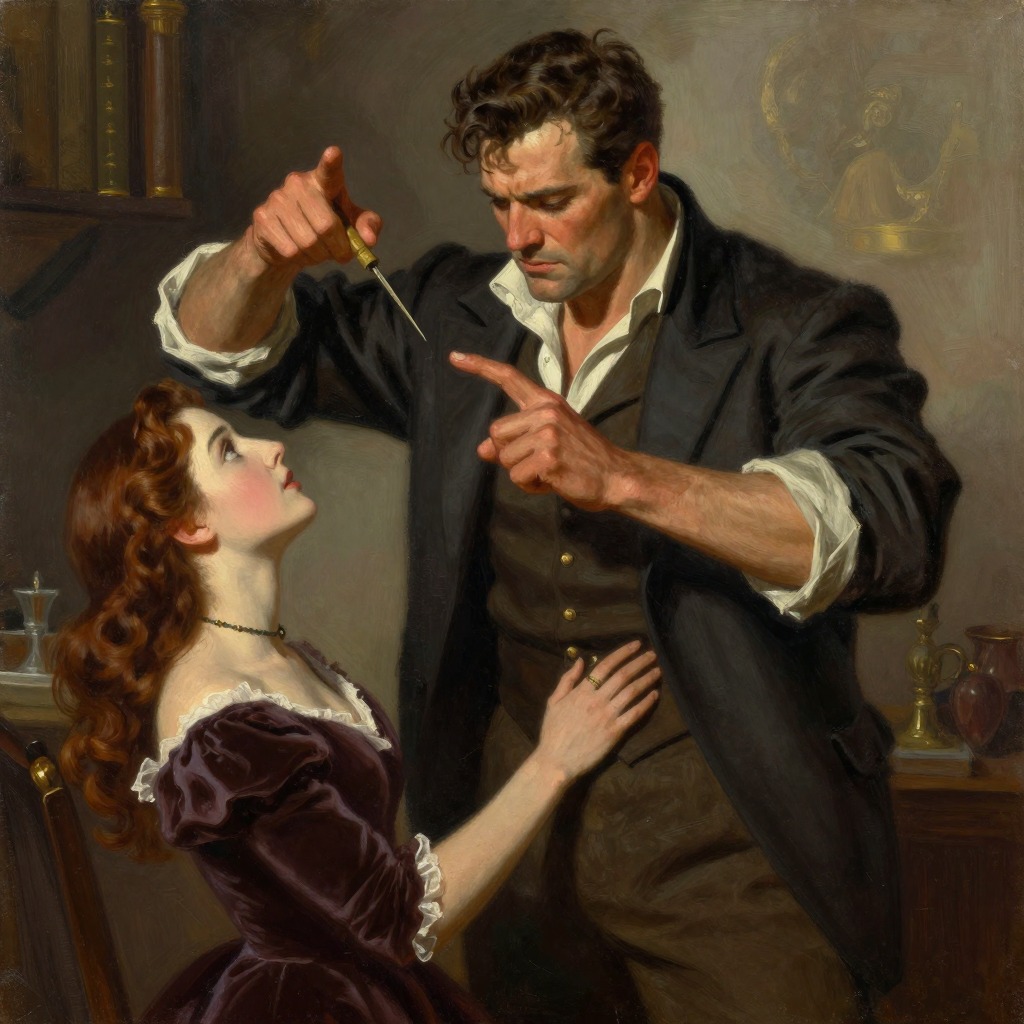
Stanley's investigation into Blanche's life in Laurel provides the play's central revelation. His supply-man, who travels through Laurel regularly, reports that Blanche is "as famous in Laurel as if she was the President of the United States, only she is not respected by any party" . The supply-man's information, which Stanley claims to have "thoroughly checked" , paints a picture of a woman who stayed at the Flamingo Hotel—a second-class establishment used to "all kinds of goings-on"—and was eventually asked to leave permanently . Stanley further reveals that Blanche was "practically told by the mayor to get out of town" and that she was kicked out of the high school before the spring term ended because of an involvement with a seventeen-year-old boy . The town's collective memory, filtered through Stanley's sources, transforms Blanche from a refined schoolteacher into a "town character" regarded as "downright loco—nuts" .
The Traumatic Past
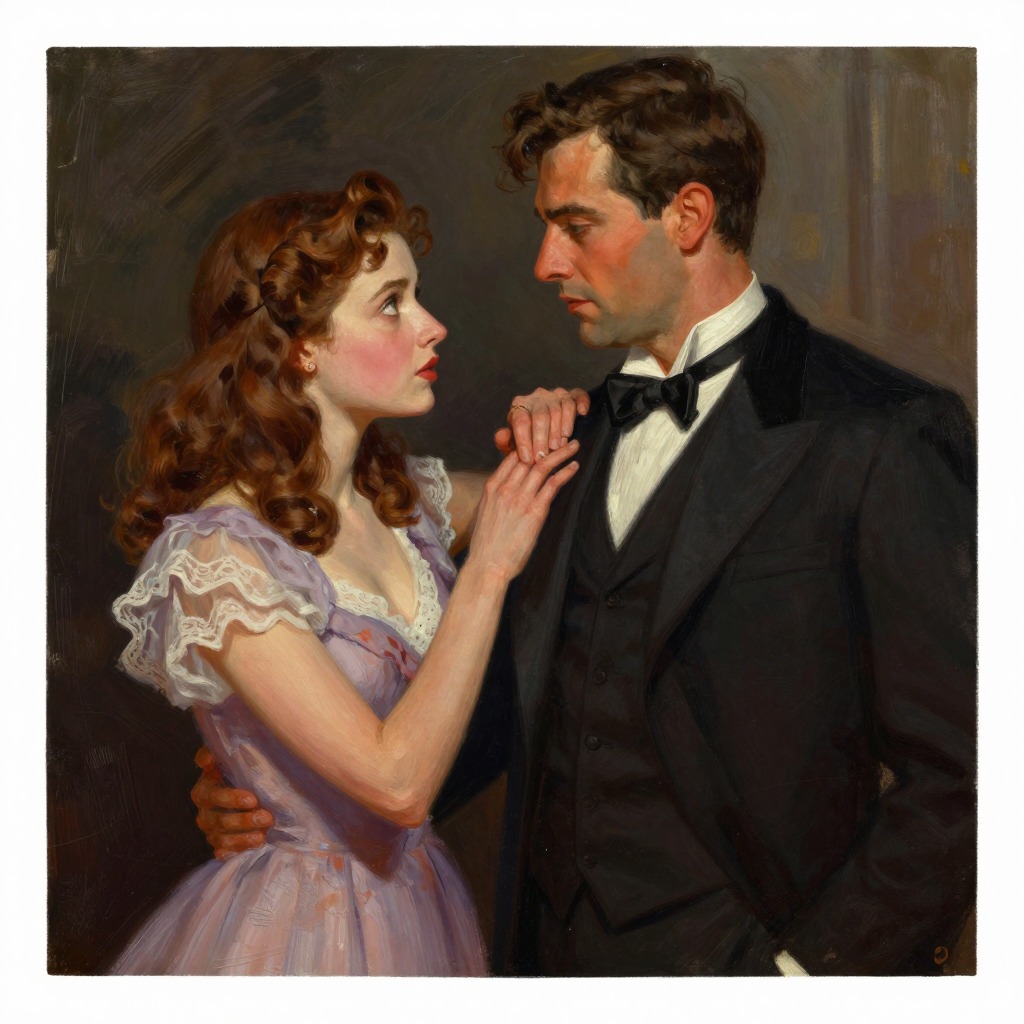
Laurel is also the site of Blanche's deepest wound: the suicide of her young husband, Allan Grey. She describes meeting him when she was sixteen and making "the discovery—love" . After their marriage, she discovered him in a room with an older man, and later, at Moon Lake Casino, she told him, "I saw! I know! You disgust me" . He ran out and shot himself, "so that the back of his head had been—blown away" . This trauma, which Blanche relives through the recurring polka tune "Varsouviana" , is the origin of her psychological fragility and her subsequent pattern of seeking "intimacies with strangers" to fill her empty heart. Laurel, in this sense, is not just a town but a psychic landscape of guilt, loss, and the memory of a love that ended in violence.
The Return Ticket
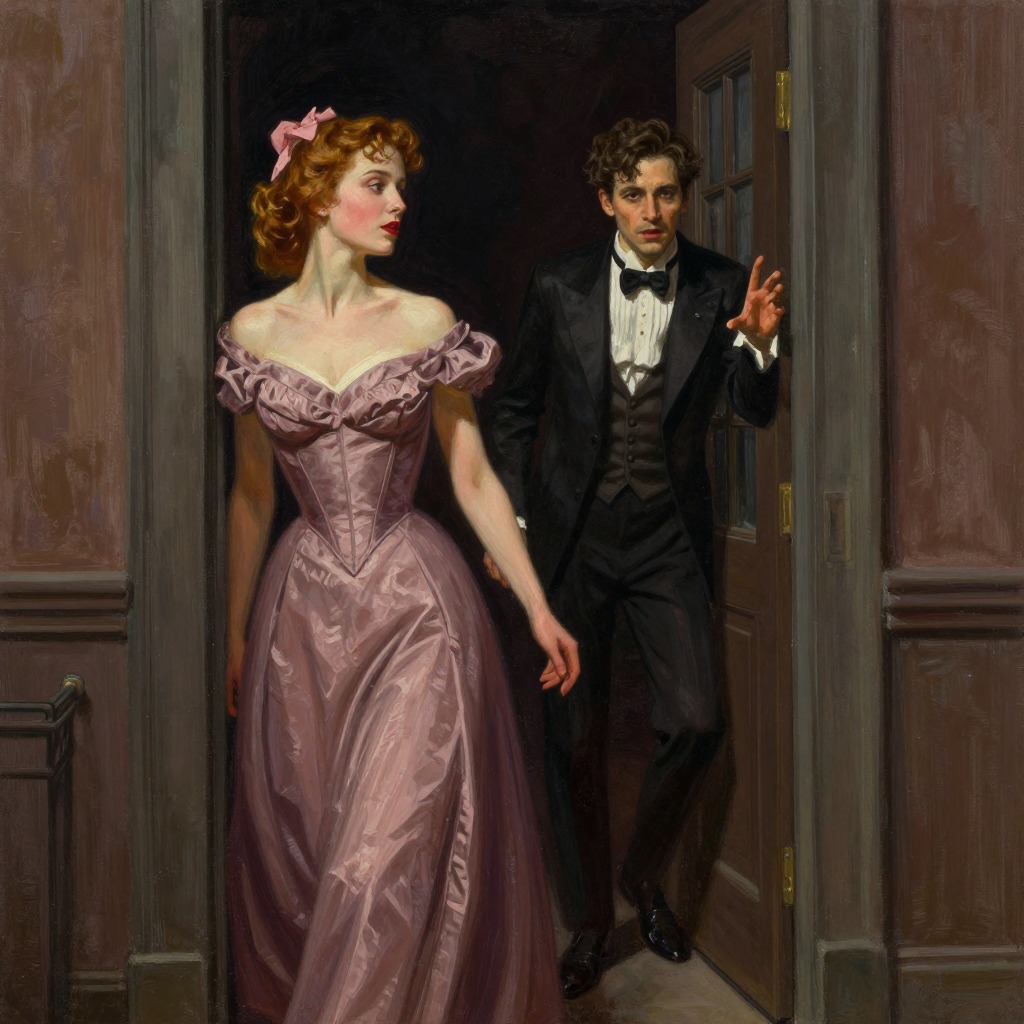
Stanley's final act of cruelty is to present Blanche with a bus ticket back to Laurel on the Greyhound, scheduled for Tuesday . The ticket is a sentence of exile to the very place that has already expelled her. Blanche's reaction—coughing, gagging, running to the bathroom—shows that the ticket represents not a return home but a return to disgrace. The town that once knew her as a DuBois now knows her as a scandal, and the bus ticket is Stanley's way of ensuring she will never escape that identity.
Narrative Significance
Laurel functions as the unseen antagonist of the play, the repository of all the facts that contradict Blanche's carefully constructed fiction. It is the place where her past is stored, waiting to be retrieved by anyone with the will to investigate. The town's smallness and its collective memory make it the perfect weapon for Stanley, who uses its gossip to destroy Blanche's relationship with Mitch and to justify her removal from his home. In the end, Laurel is not a place Blanche can return to—it is the place that has already condemned her, and the bus ticket is merely the formal delivery of that sentence.